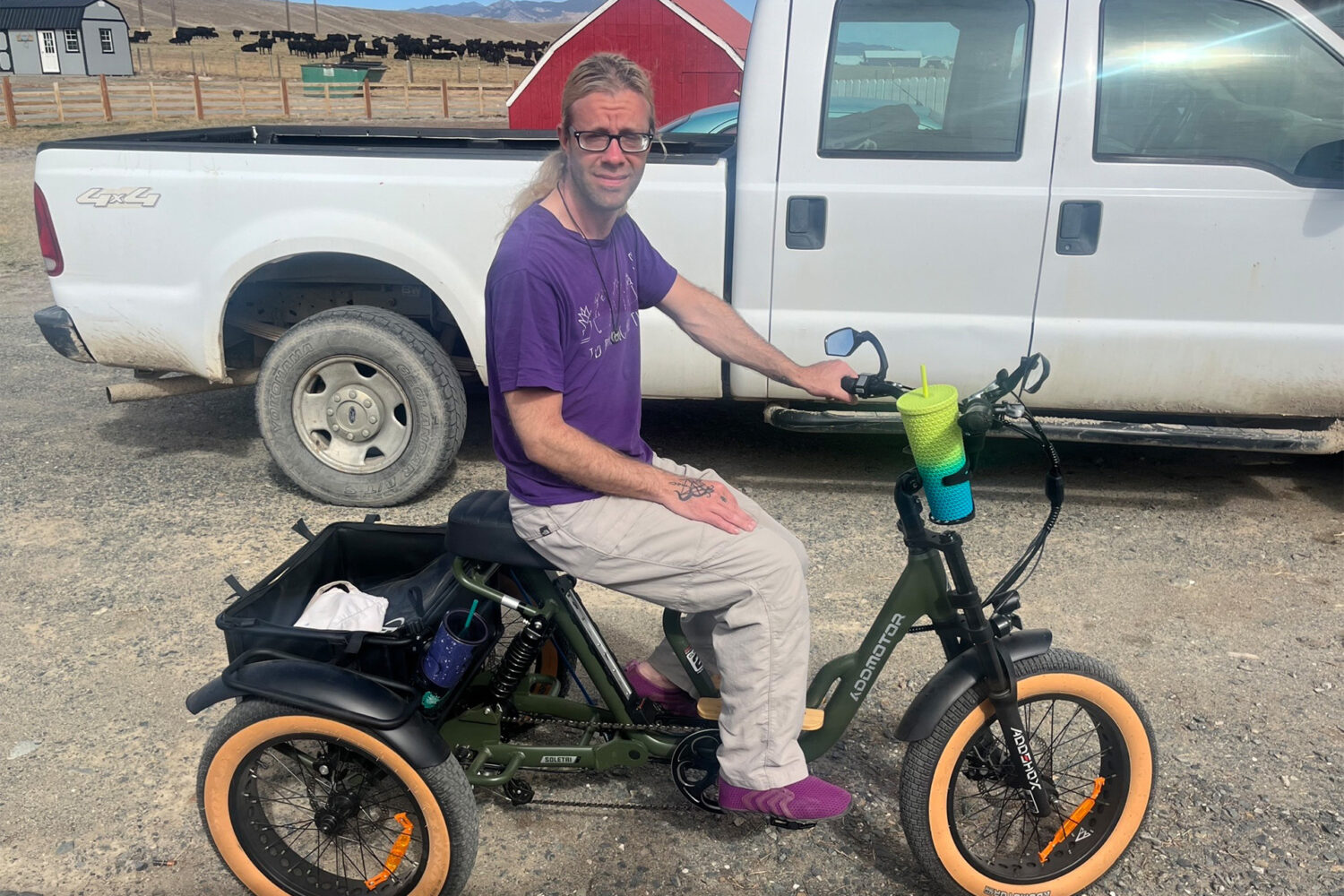
With an Electric Trike, Stephan Gets Back Out into His Community
Posted on: May 06, 2026
Just outside of Whitehall, Montana, getting around can be difficult, especially for someone who relies on a walker for mobility. For Stephan, even short trips required planning and flexibility.
Before receiving his electric trike, he used a pedal-powered trike when conditions allowed. He could bring his walker along, but wind and uneven terrain often made travel unpredictable.
“Mostly during the summer I could get around,” Stephan said. “When it was windy, the pedal trike made it hard to get anywhere.”
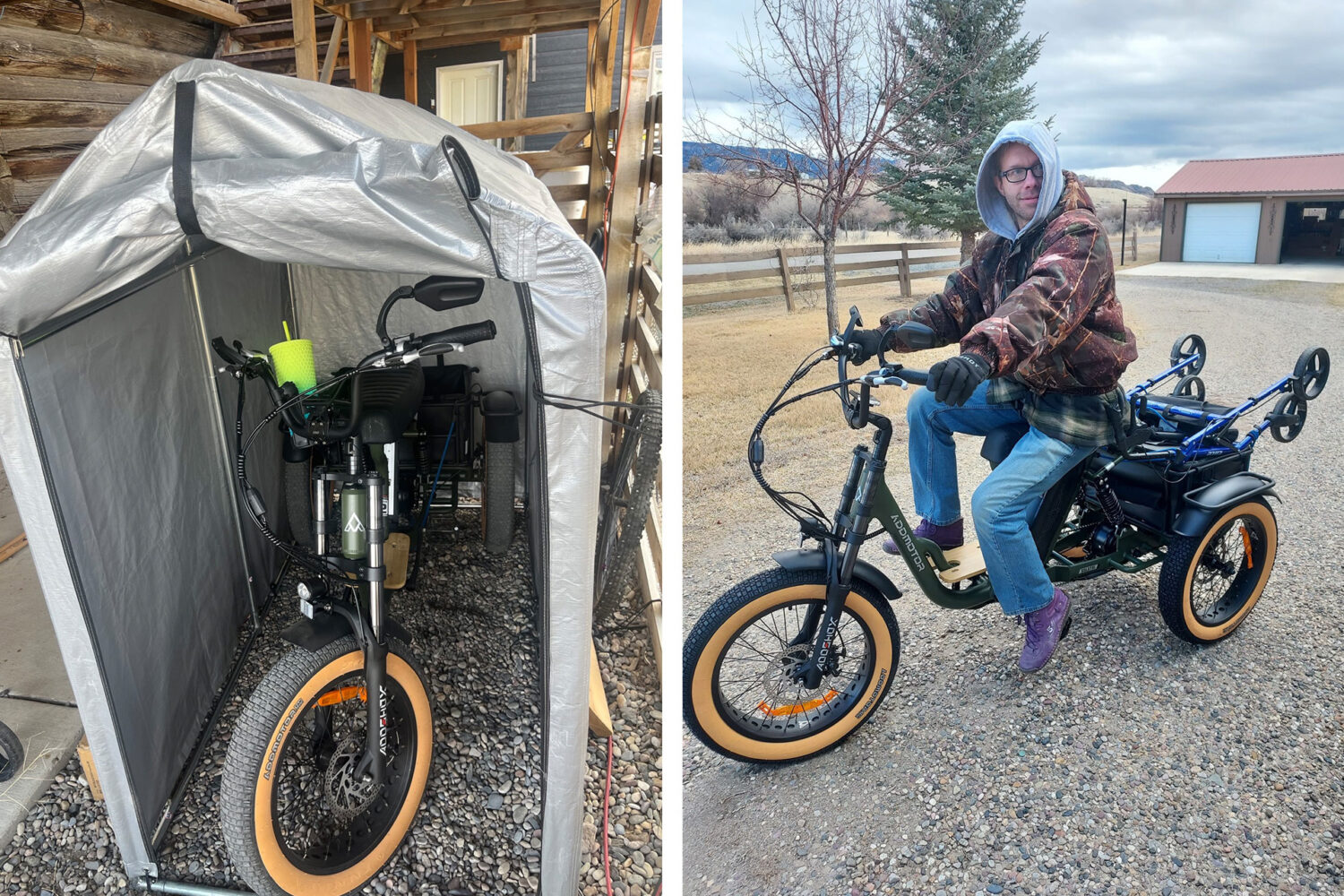
Now, with his new electric trike, Stephan can strap his walker securely to the back and travel with more consistency. The added motor support has made it easier to get where he needs to go, without relying as heavily on weather or physical strain.
Finding the Right Support
Stephan first connected with Ability Montana through his brother, Charles, who had previously received services. After moving to the area, Stephan reached out to learn what resources might be available.
He was interested in finding a way to improve his transportation options. Through Ability Montana, he connected with Independent Living Specialist Ricky Burns II, who began researching possibilities.
Together, they applied for a grant through the Brondum Foundation. By February, Stephan learned he had been awarded $2,899.
The original grant was intended for a different trike, but Stephan found a model that better suited his needs at a slightly lower cost. With the remaining funds, he added a four-year warranty.
From Delivery to First Ride
In early March, the trike arrived. A local volunteer helped assemble it, and once it was ready, Stephan rode it home.
The trike offers both pedal assist and fully electric modes, giving him flexibility depending on distance and energy level. A full charge can last several days, with a typical range of 75 to 80 miles and a top speed of 20 miles per hour.
“It’s a lot easier with the pedal assist,” Stephan said.
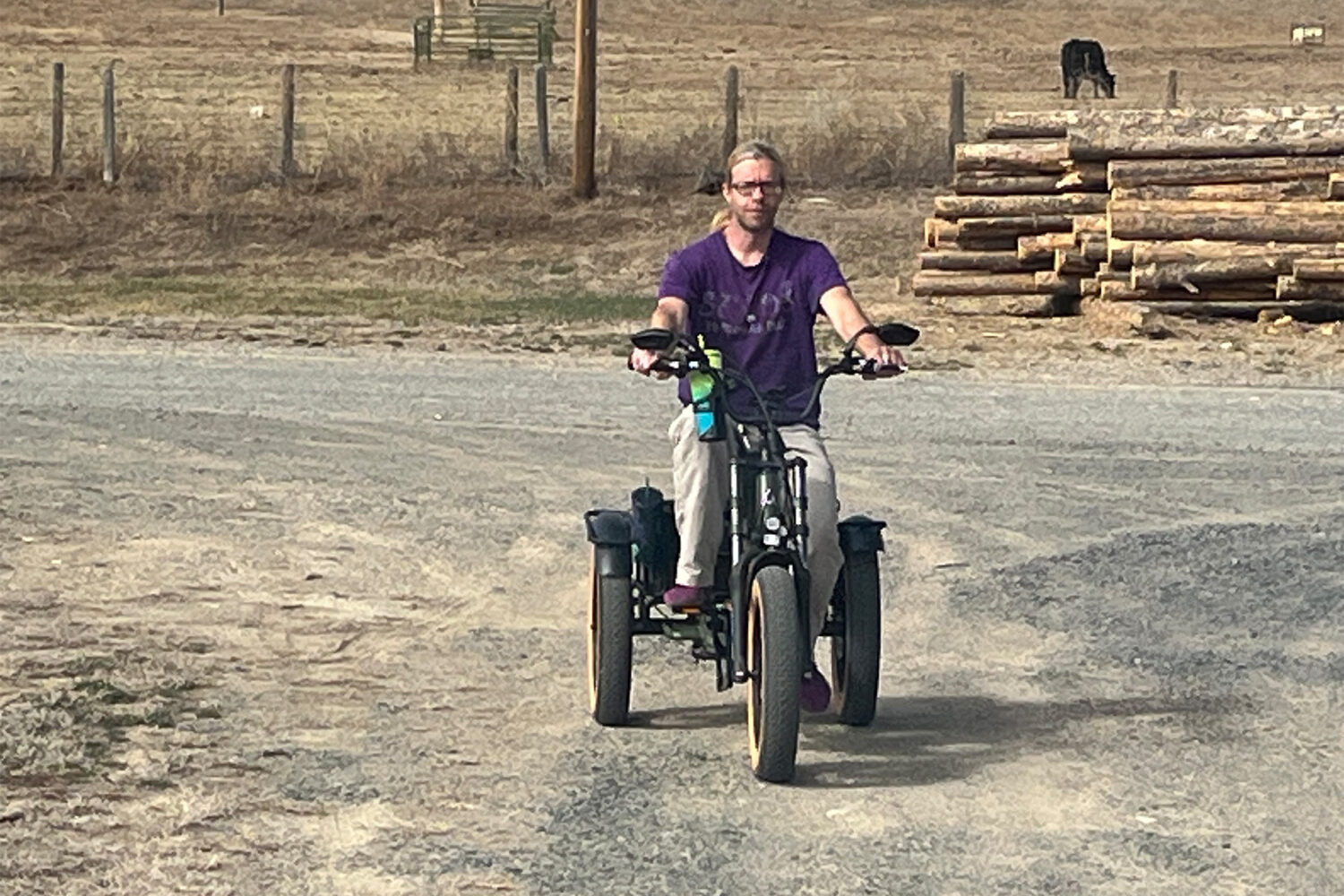
Since receiving it, he has already gone on several rides, including a 15-mile trip on a recent Sunday.
Everyday Errands, Made Possible
With the electric trike, Stephan can now make regular trips into town two to three times a week. He goes to the grocery store, stops for coffee, and spends time out in the community.
The rear basket allows him to carry groceries and supplies, and it can be zipped and locked for security.
This summer, he plans to attend the local farmers market more often. He is also preparing to participate as a vendor through a small business he is building with a friend called D1vyn3 Alchemy, where they make treats for dogs, cats, and chickens.
He is already planning to build a small trailer so he can transport products to and from the market.
Planning Longer Trips
With more reliable transportation, Stephan is beginning to think beyond day-to-day errands.
He is planning a ride to Boulder Hot Springs, about 20 to 30 miles away, using backroads. It is a place he has wanted to visit since moving to Montana in 2023.
Later in the year, he is considering a longer trip to Flathead Lake, mapping out stops along the way.
These plans reflect a shift. Travel is no longer limited to what feels manageable in the moment. It can be something he looks forward to and prepares for.
Transportation in Rural Montana
Stephan’s experience reflects a broader issue across the state.
“Transportation has always been and will continue to be a hurdle,” said Ricky Burns II. “In our rural communities, this challenge is only amplified.”
For people with disabilities, options can be limited, especially in smaller towns where infrastructure and services are sparse.
In this case, a single piece of equipment made a meaningful difference. The electric trike allows Stephan to run errands, participate in community activities, and travel more independently.
“A better walker, a motorized trike, or improved transportation options can all play a role,” Ricky said.
Moving Forward
For Stephan, the trike has changed what day-to-day transportation looks like.
He can get into town more often, carry what he needs, and plan trips that were not realistic before. With his walker secured to the back, he has what he needs when he arrives.
It is a practical solution, but its impact is broader. It supports independence, connection, and the ability to take part in everyday life in a way that works for him.