How Care Workers Make Independent Living Possible
Posted on: Apr 01, 2026
Key Takeaways
Care workers make it possible for people with disabilities to live independently, go to work, and participate fully in their communities.
Jack Racicot, Board President of Ability Montana and a C5 quadriplegic, credits his caregivers as the reason he can hold a job, serve on boards, and live on his terms.
Finding and keeping reliable, compassionate care workers is one of the biggest challenges people with disabilities face, with low wages and caregiver burnout driving high turnover.
Ability Montana's self-directed care program puts people with disabilities in the driver's seat, allowing them to hire, train, and manage their own care workers.
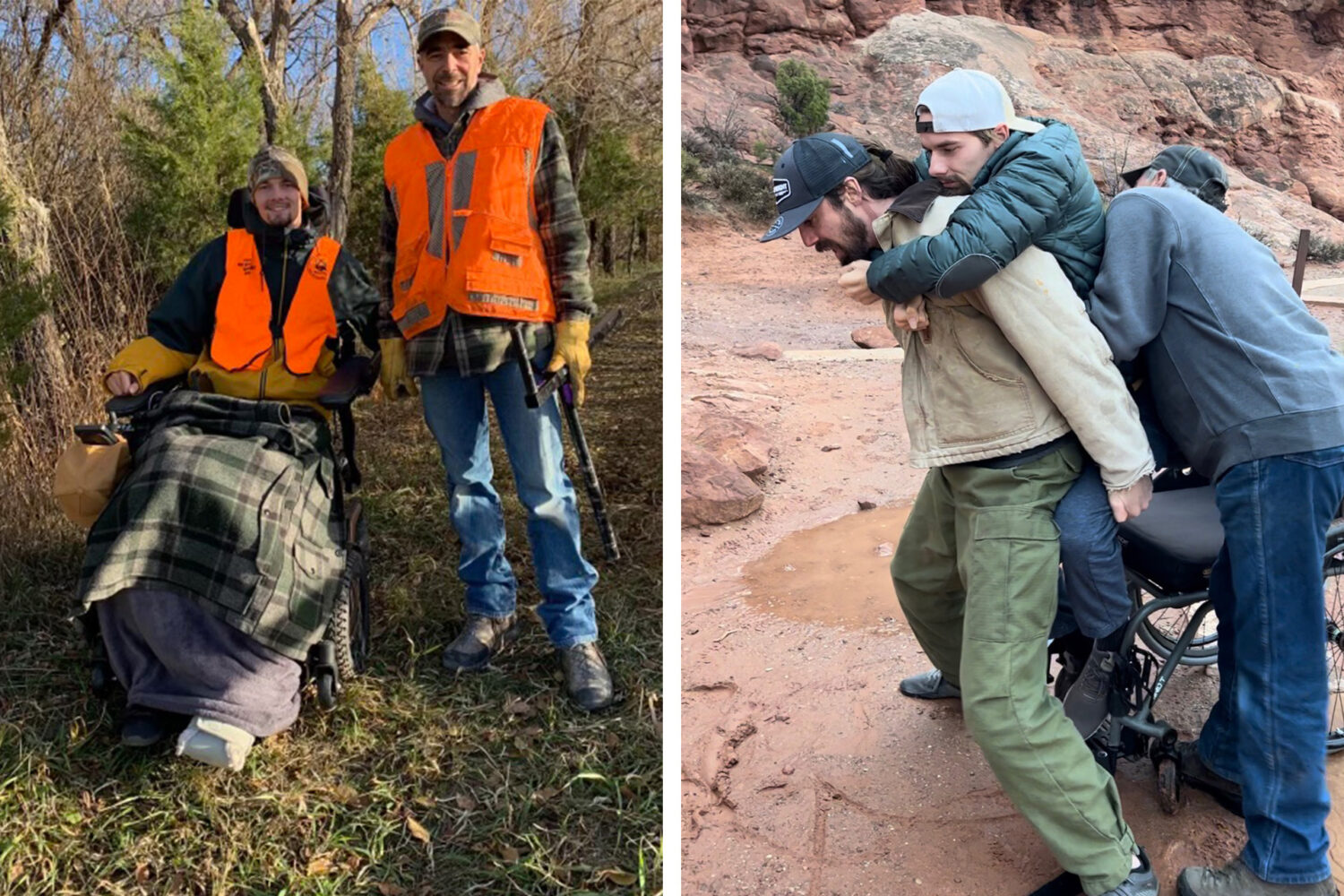
Jack Racicot was snowboarding at Great Divide Ski Area on February 16, 2019, when his life changed in an instant. He slipped on a jump he'd been doing since he was 10 years old and landed wrong. He stared up at the sky, gasping for air, and knew immediately that something was seriously wrong.
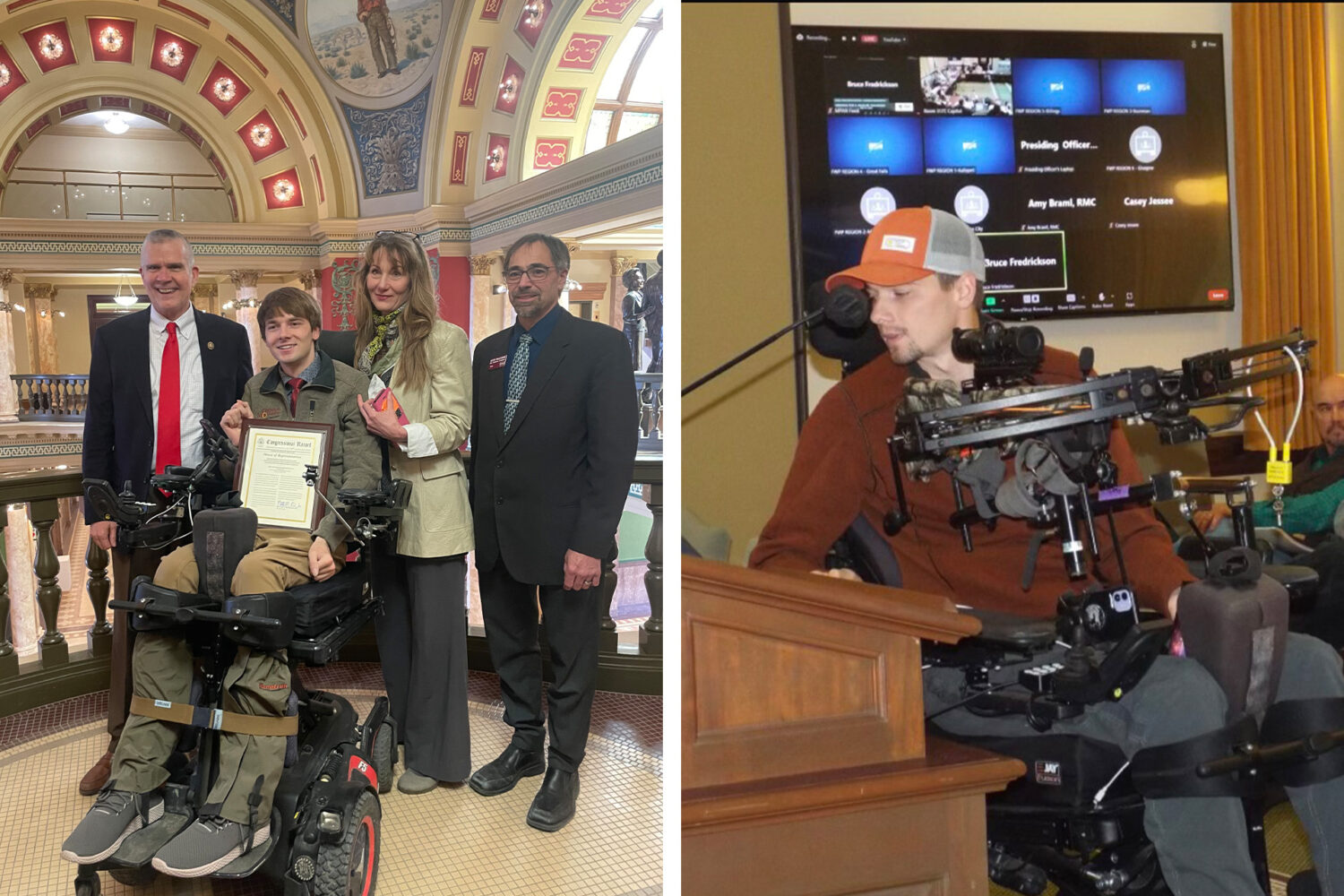
Jack is a C5 quadriplegic, meaning he has no function below his collarbones. He retains biceps strength and wrist extension, which provides limited use of his arms, but has little to no sensation throughout his body. He uses a power wheelchair and requires assistance with most daily physical tasks. Jack works in regulatory compliance at the Montana Public Service Commission, serves as Board President of Ability Montana, and lives on his family's flower farm, GardenMontana, located in Whitehall, MT.
None of that would be possible without care workers.
"I would be in an institution without reliable caregiving," Jack said simply. His story is a reminder of what caregiving really means for people with disabilities, and why the people who provide that care deserve far more recognition than they typically receive.
What Care Workers Actually Do
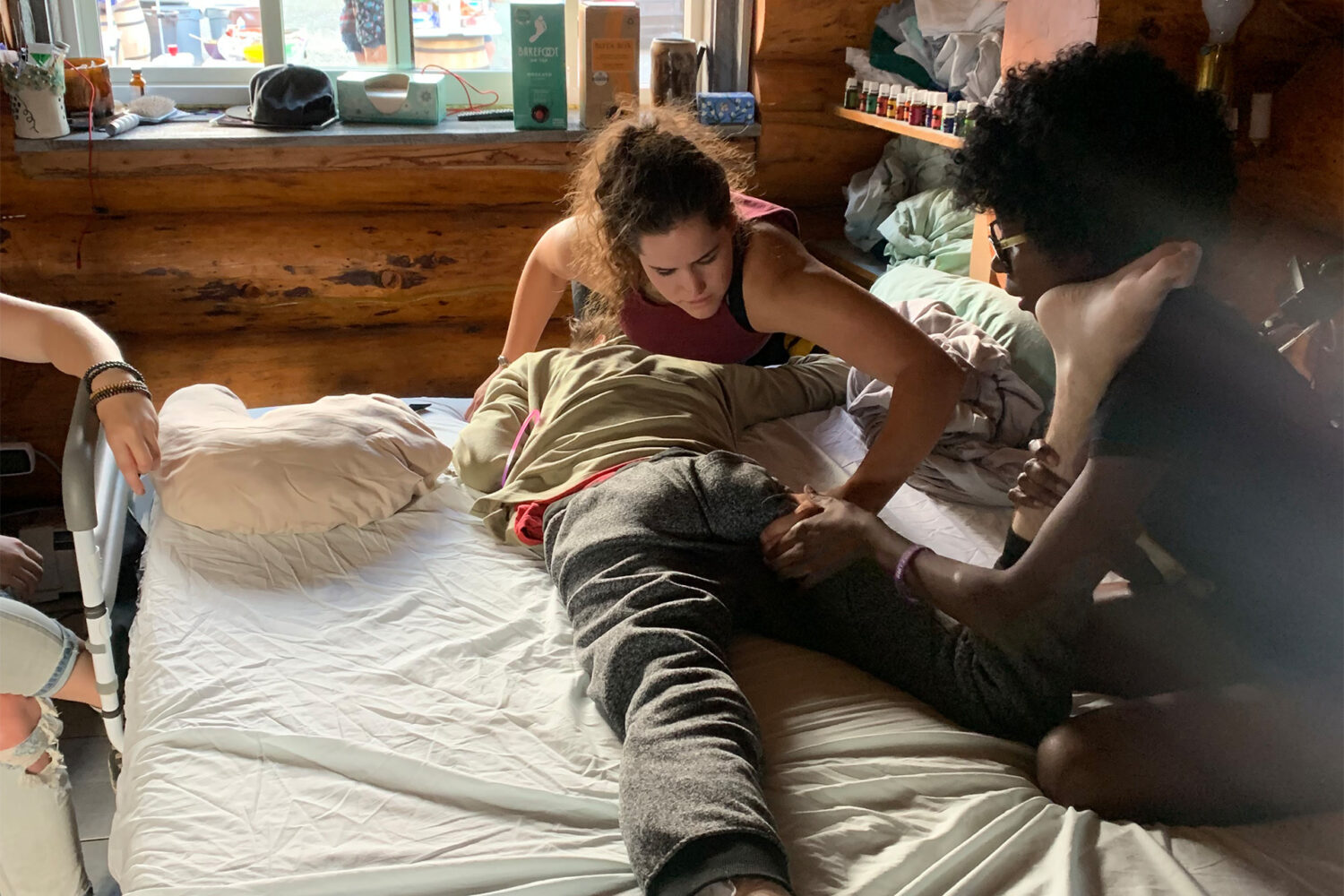
There’s a common misconception that caregiving is mostly about physical tasks. For Jack, it goes far beyond that. His caregivers don’t just assist, they manage critical functions his body can no longer regulate on its own. This includes bowel care, bladder management, wound care, dressing, hygiene, meal preparation, medications, household upkeep, and monitoring for autonomic dysreflexia, a potentially life-threatening condition. These are not minor responsibilities. Without this level of support, he cannot get out of bed, let alone participate in daily life.
And it doesn’t stop there.
For someone living with a C5 spinal cord injury, the margin for error is extremely narrow. What might be a minor illness for others can escalate quickly due to impaired respiratory function, reduced ability to clear secretions, and autonomic instability. When Jack gets sick, it is not a setback, it is a high-risk event.
His care immediately shifts to continuous, skilled monitoring. Caregivers watch for subtle changes in breathing, temperature, blood pressure, and overall condition. They actively manage airway clearance, hydration, positioning, and any triggers that could lead to serious complications like pneumonia or autonomic dysreflexia.
The goal is stability. Every decision is focused on keeping him safely managed at home and preventing deterioration. Hospitalization carries its own risks, especially during flu season, when exposure to additional infections can significantly increase the danger.
This level of care requires more than basic assistance. It demands trained, attentive caregivers who understand the complexity of his condition and can respond quickly and appropriately. That expertise is not optional. It is what protects his health, preserves his independence, and sustains his quality of life.
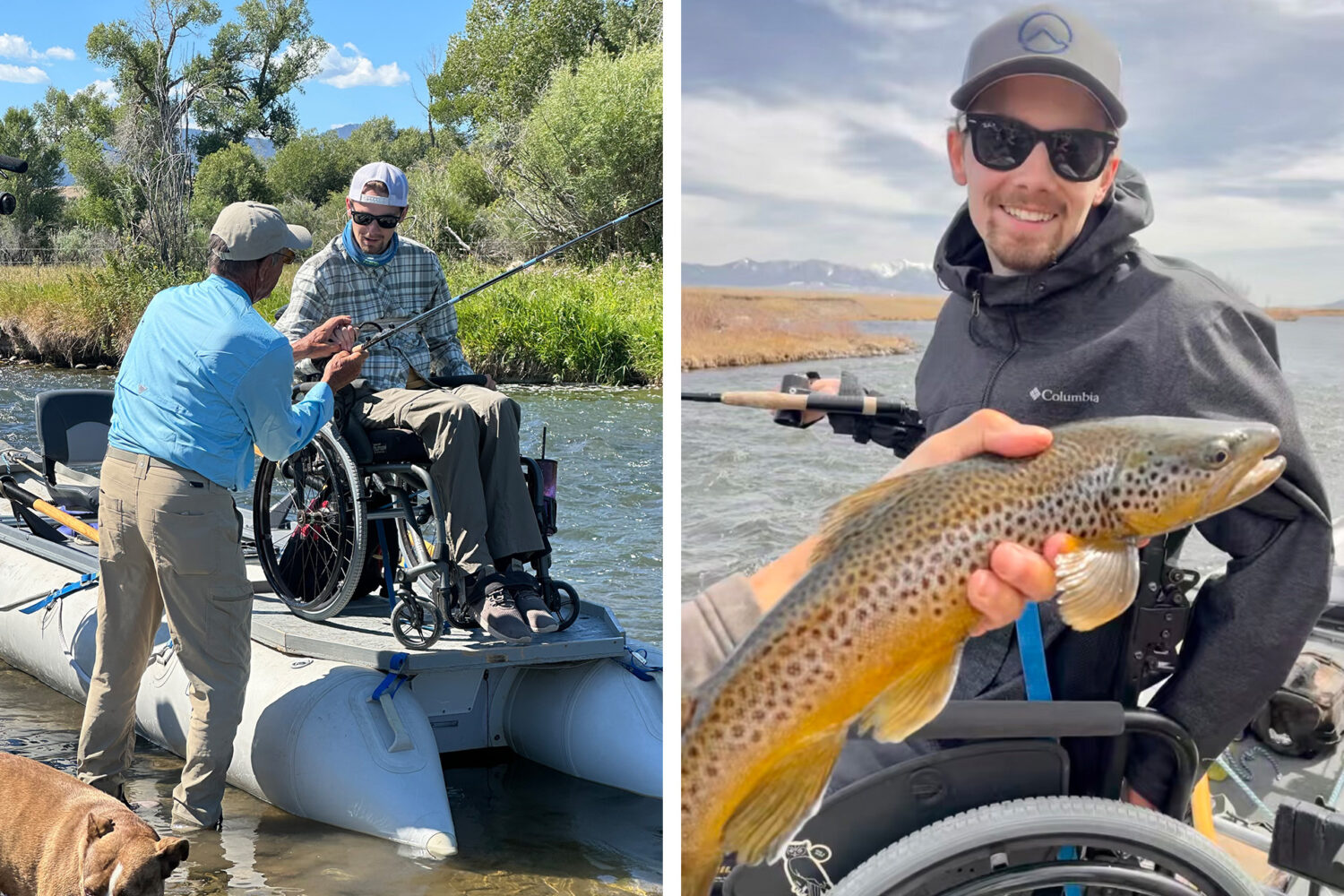
But care workers do much more than physical tasks. As Jack put it, caregiving "exists across a wide spectrum." Beyond the daily necessities, caregivers help people with disabilities get to appointments, attend community events, manage finances, stay connected socially, and show up to work.
For Jack, reliable care means he can attend board meetings, fulfill his role at Ability Montana, and live a full life outside of an institution. For others, it might mean being able to volunteer, take a class, or simply leave the house.
Care workers are, as Jack described them, the bridge between a person with a disability and the world around them. “They are my hands, my legs – my chance to live fully and succeed,” says Jack.
The Policy Problem: Care Workers Need a Living Wage
Jack doesn't just talk about caregiving from personal experience. He talks about it as a policy issue, too.
Funding for care worker wages comes from a combination of federal and state sources, which creates complexity and limits how quickly wages can increase. But Jack's position is clear: wages need to keep up with the cost of living. Policies that don't adjust for inflation are policies that slowly become irrelevant, and the people most harmed by that are those who depend on care workers to function day to day.
Jack also wants policymakers to understand a basic economic reality: home-based care is less expensive than institutional care. When a person with a disability can't find or afford reliable care workers, they often end up in a nursing facility or institution. That's worse for the individual and more costly for the state. Supporting care workers with fair pay isn't just the right thing to do. It's the smarter investment.
"We need to illustrate to our politicians that they most likely will be in our situation at some point,” said Jack. Everyone ages. Everyone is potentially one accident or diagnosis away from needing care.
Statistics from the Paraprofessional Healthcare Institute (PHI) show that demand for care workers will only increase. According to PHI, between 2024 and 2034, the direct care workforce is projected to add just over 772,000 new jobs – the largest growth of any job sector in the country.
“From 2022 to 2060, the population of adults age 65 and older in the U.S. is projected to increase dramatically from 57.8 million to 88.8 million, and the number of adults age 85 and older is expected to nearly triple over the same period, from 6.5 million to 17.5 million. The growing number of older adults and increased longevity are two primary factors spurring demand for long-term services and supports,” according to PHI.
You can learn more about how Ability Montana advocates for systemic change through our advocacy programs.
Caregiver Burnout Is Real, and It Goes Both Ways
Jack is thoughtful about the emotional aspect of caregiving. He emphasizes that care workers are just as important as the person receiving care, and that caregiver burnout is a real risk for everyone involved.
"There is a high risk of burnout for both the disabled individual and the caregiver," he said. The relationship between a person with a disability and their care worker is intimate and close, sometimes more so than any other relationship in that person's life. That closeness can blur boundaries quickly.
Jack stresses the importance of both parties being observant and setting clear expectations. Caregivers need to feel respected and supported, not emotionally relied upon in ways that exceed their role. When that balance breaks down, people leave. And when people leave, someone like Jack is left without support overnight.
Good caregiving, Jack explained, requires consistency and reliability above everything else. Those are the two qualities he looks for first.
Self-Directed Care: Putting People in Control
One of the most empowering aspects of Jack's situation is that he directs his own care. Through Ability Montana's self-directed care program, people with disabilities act as the employer. They hire who they want, set the hours, and shape the care relationship around their needs.
For Jack, this program has been essential. The intimate nature of caregiving means that fit and trust matter enormously. He’s able to choose his own care workers, do trial runs, and make decisions about his own support. This agency is what makes the whole thing work.
Self-directed care reinforces the principle that sits at the heart of everything Ability Montana does: people with disabilities deserve autonomy and the right to live independently in their communities, not in institutions. Care workers make that possible, and a system that supports them well makes it sustainable.
Want to direct your own care?
Ability Montana's self-directed care program puts you in charge of your own support. You choose your care workers, set the schedule, and build a care relationship that actually works for your life. Learn more about the program here.
Interested in hearing more stories like Jack's? Listen to the Ability Montana podcast, Disability Voices.