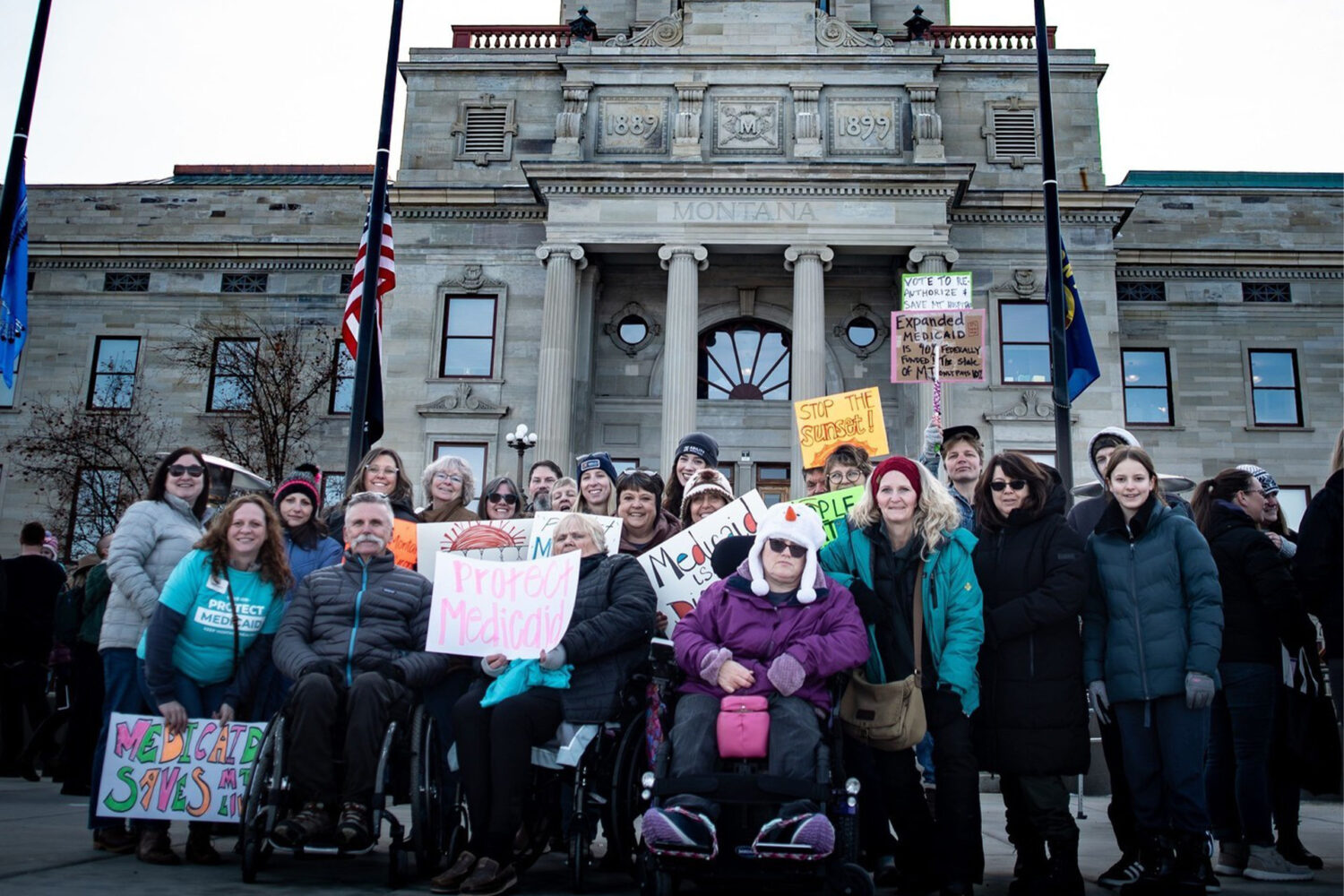
Why Disability Pride Is More Important Than Ever
Posted on: Jul 06, 2026
Key Takeaways
Disability Pride Month is celebrated every July to honor the anniversary of the Americans with Disabilities Act (ADA), signed into law on July 26, 1990.
Disability pride means accepting disability as a natural part of who you are, not something to hide, fix, or feel ashamed about.
Celebrating disability pride can include attending local events, connecting with peer support, advocating for accessible policies, and sharing your story.
People with disabilities in Montana still face significant barriers in employment, housing, transportation, and healthcare access that require ongoing advocacy.
Ability Montana offers programs, events, and advocacy resources to help you celebrate and get involved year-round.
Every July, communities across the country celebrate Disability Pride Month. For people with disabilities here in Montana, this month is personal and more important than ever.
It's time to reflect on how far the disability rights movement has come, acknowledge the work still ahead, and celebrate the vibrant community of people with disabilities who call this state home.
But what exactly is disability pride? And why does it matter now more than ever?
The History Behind Disability Pride Month
Disability Pride Month traces its roots to a pivotal moment in American history: the signing of the Americans with Disabilities Act (ADA) on July 26, 1990. The ADA was the first comprehensive civil rights law to protect people with disabilities from discrimination in employment, public services, transportation, and more.
This law didn't happen overnight. Activists fought for decades, staging protests and demanding change. One of the most powerful moments came just months before the ADA's passage, when over 60 activists abandoned their wheelchairs and mobility devices to crawl up the steps of the U.S. Capitol during the "Capitol Crawl" demonstration.
The first Disability Pride Day was held in Boston in 1990, the same year the ADA was signed. Chicago hosted the first official Disability Pride Parade in 2004. Since then, celebrations have spread nationwide, giving people with disabilities a platform to show up, be visible, and take pride in who they are.
Here in Montana, the history of the disability rights movement runs deep. Organizations like Ability Montana (originally Montana Independent Living Project) have been advocating for independence and equal access since the early 1980s. That legacy of grassroots advocacy continues today through programs, peer support, and community events across the state.
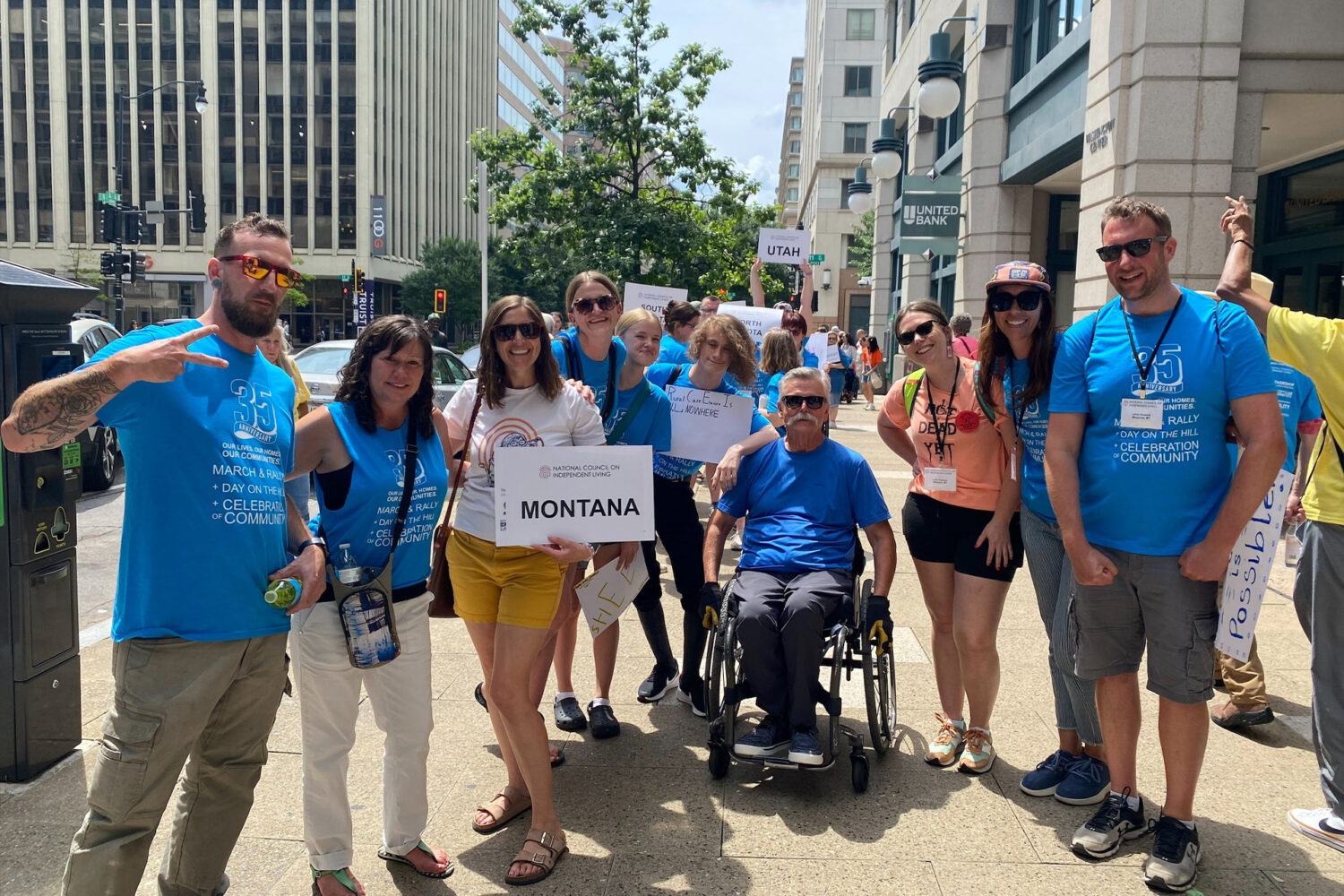
What Does Disability Pride Mean?
At its core, disability pride is about acceptance. It's recognizing that disability is a natural part of human diversity, not a flaw to be corrected or hidden away. For too long, people with disabilities have been viewed through a lens of pity and stigma. Society has often echoed the message that their lives are less valuable, less meaningful, or less worth living. Disability pride pushes back against those harmful narratives.
Being proud of your disability doesn't mean pretending life is always easy. It means acknowledging that your experiences, your perspective, and your contributions matter. It means rejecting the idea that you need to be "fixed" to belong.
This shift in thinking can be transformative. When someone stops seeing their disability as something to apologize for and starts seeing it as part of what makes them who they are, everything changes. They find community with other people with disabilities. They become stronger advocates for themselves and others. They start living more fully on their own terms.
For those adapting to a new disability or looking for connection, Ability Montana's peer mentoring program can help! Peer mentors are people with disabilities who have been there. They understand the challenges and can walk alongside you as you navigate your own path.
How to Celebrate Disability Pride This July
Disability Pride Month is an invitation to get involved. Here are some ways to celebrate and advocate, whether you're a person with a disability, a family member, or an ally:
Attend the First Annual Bozeman ADA Celebration on July 25th. Celebrate Disability Pride at Lindley Park in Bozeman, with a 5k walk, run, or roll to enjoy the park’s new accessible trails, along with live music, food trucks, and a proclamation from the City’s Mayor. Learn more on our event page.
Attend Butte’s ADA Picnic on July 9th. Explore vendors and enjoy free lunch at Stodden Park Pavilion. Learn more on our event page.
Look for other local events. Check Ability Montana's events calendar for peer groups, advocacy seminars, and community gatherings in Butte, Helena, and Bozeman. Showing up in person builds community and visibility!
Share your story. Consider writing a story for Let's Talk Disability, an annual monologue production where Montanans with disabilities share personal stories on stage (the next show is in October in Butte). Or simply talk to friends, family, or coworkers about what disability pride means to you.
Advocate for change. Disability rights are still under threat. Stay informed about legislation affecting people with disabilities and use your voice to push for policies that support independence, accessibility, and equal opportunity.
Learn something new. Explore disability podcasts, including Ability Montana's own Disability Voices podcast, to hear perspectives from people with disabilities around the world.
Connect with resources. If you need support with independent living or community engagement, explore the programs Ability Montana offers, from skills training to self-directed personal care.
The Work That Still Needs to Be Done
As we approach the 36th anniversary of the ADA this July, it's worth reflecting on how much has changed and how much work remains. Despite decades of progress, people with disabilities in Montana still face significant barriers to full participation in their communities. Here's a look at the key challenges still ahead.
Employment gaps persist. According to the Montana Department of Public Health and Human Services, over 81,000 adults in Montana live with disabilities. Of those, approximately 35,000 aren't part of the labor force, and 1,800 who are actively looking for work remain unemployed. Nationally, workers with disabilities earn significantly less on average than those without, bringing home a median annual wage of about $31,000 compared to $44,000 for workers without disabilities.
Accessible, affordable housing is scarce. Finding a home that's both affordable and accessible remains one of the biggest challenges. More than half of all housing discrimination complaints filed nationwide are disability-related. In Montana, housing costs have risen while the supply of accessible units hasn't kept pace. The Montana Housing Division and programs like Section 811 Supportive Housing help connect people with disabilities to subsidized housing, but demand far exceeds availability.
Rural transportation creates isolation. In a state as big as Montana, getting from point A to point B can be a major obstacle. Research from the University of Montana Rural Institute shows that people with disabilities in rural areas face unique barriers: limited public transit options, long distances to travel, and a lack of accessible vehicles. Advocating for improved paratransit, ride-hailing, and accessible public transportation options, particularly in rural communities, is crucial.
Healthcare access hangs in the balance. Medicaid is a lifeline for many Montanans with disabilities, covering not just typical health expenses but also disability-specific services like personal care assistance and home-based support. According to the Montana Healthcare Foundation, Medicaid provides coverage to nearly 300,000 Montanans with low income, including people with disabilities who rely on it to remain in their homes and communities. Protecting these programs lets people with disabilities access the care they need.
These challenges aren't insurmountable, but they require ongoing advocacy, policy change, and community involvement. Organizations like Ability Montana help navigate these barriers so that no one has to face these challenges alone.
Embrace Disability Pride Year-Round
Disability pride isn't just a July thing. It's a constant mindset. It's about showing up in the community, demanding accessibility, and refusing to shrink to make others comfortable. It's about recognizing that people with disabilities belong everywhere: in workplaces, in public spaces, and in positions of leadership.
The advocacy work of past generations created space for people with disabilities to live more independently. Now it's time to keep pushing forward.
This Disability Pride Month, embrace what makes you unique. Connect with others who understand your experience. Speak up for the changes you want to see. And remember: disability pride isn't about overcoming disability. It's about owning your whole self, exactly as you are.
Ready to get involved? Contact Ability Montana to learn about programs, events, and advocacy opportunities in Southwest Montana.